


Madlanga truth-tellers must not be left exposed by state failures, warns expert
Dr Zizamele Cebekhulu-Makhaza calls for permanent protection of witnesses in the Madlanga Commission
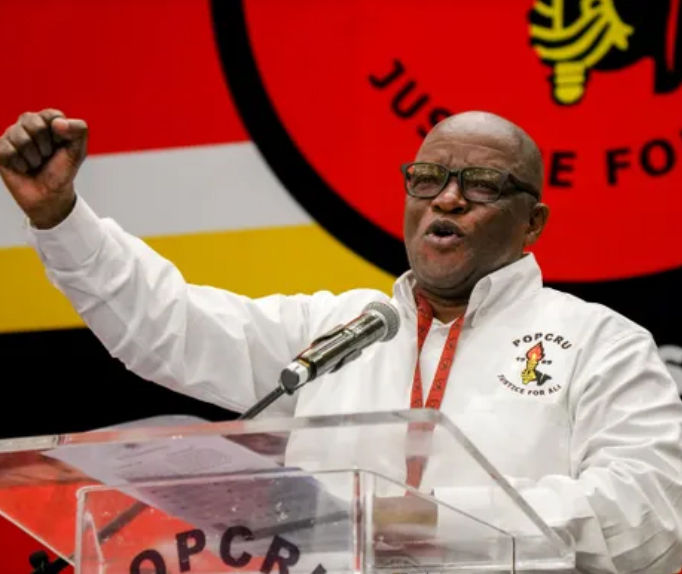
The Madlanga Commission’s decision to pursue criminal charges against an individual accused of exposing the identity of a witness is both correct and necessary. However, it also raises serious questions about why stronger safeguards were not already in place, warns criminal justice expert and Safer South Africa Foundation Chairman, Dr Zizamele Cebekhulu-Makhaza.
He notes that the alleged breach serves as evidence that government is not doing enough to protect whistleblowers and witnesses involved in high-risk investigations who risk their lives to expose corruption and criminality.
“Why are we reacting to a breach after it has occurred instead of ensuring that the systems required to prevent such leaks are already in place?” he says.
“The state cannot plead surprise. Everyone involved in the Madlanga Commission understands the seriousness of the matters being investigated, and the nature of the individuals and criminal networks that may be affected by its findings. This incident is just another example of systemic failures in South Africa's witness and whistleblower protection framework.”
Protection cannot end when the commission does
Going forward, witness protection must be viewed as fundamental to the commission's success rather than being treated as an administrative consideration. Additionally, short-term protective measures are insufficient for individuals who may face threats years after giving evidence. Instead, witness protection should be independent, properly resourced, and guaranteed for as long as risks remain, argues Cebekhulu-Makhaza.
“The protection of witnesses and whistleblowers cannot expire when the commission concludes its work. The risk does not disappear because the hearings have ended,” he says.
“We need an independent witness and whistleblower protection mechanism for those who have come forward before the Madlanga Commission. The people who have chosen to tell the truth must have confidence that their safety is not dependent on temporary arrangements or institutions that may themselves be affected by the matters under investigation.
"Remember that the people who have come forward before the commission have done so at considerable risk. Some have placed their careers and livelihoods at risk. Others have placed their personal safety at risk. The state has a legal and moral obligation to ensure that these individuals are not left exposed simply because they chose to tell the truth."
Government has already had its warning
Concerns around witness safety have taken on added urgency following the murder of former Ekurhuleni Metropolitan Police Department (EMPD) reservist Marius van der Merwe, known publicly as Witness D, late last year - mere weeks after providing evidence to the commission.
This murder should have been a strong wake-up call to every institution responsible for witness protection, he adds.
“That tragedy demonstrated the very real danger facing those who come forward and expose wrongdoing. South Africa cannot claim to support whistleblowers while expecting them to bear the consequences of telling the truth alone.
“Protection must become preventative, not reactive, and it must be permanent and appropriately resourced. South African cannot afford another cycle of promises made to protect whistleblowers after the damage has already been done.”
Cebekhulu-Makhaza welcomed several provisions contained in the proposed Protected Disclosures Bill, which seeks to strengthen confidentiality protections and extend witness protection measures to whistleblowers.
"The Bill is an indication that government recognises the severity of this problem. However, the Madlanga witness leak shows that legislative reform cannot remain a future promise. Government has already been warned by the deaths and victimisation suffered by whistleblowers over many years. We cannot continue to postpone meaningful protection while expecting people to place themselves at risk in the public interest. The time for implementation is now, particularly for individuals who have already come forward."
Those investigating the truth also need protection
Commissioners, investigators, and support personnel likewise require specialised security in light of the nature of the issues under investigation.
“These individuals are confronting players and networks that have both the means and the motive to protect themselves from scrutiny. They are not dealing with ordinary matters and should not be protected through ordinary measures. They require dedicated protection structures that recognise the exceptional risks they face.
“Ultimately, if we fail to protect those who come forward, or those who pursue accountability, we should not be surprised when others choose to fall silent. That would be a victory for corruption and a defeat for the rule of law,” concludes Cebekhulu-Makhaza.


Comments